The situation at the airport in Guadalajara, Mexico, is connected to a larger wave of violence triggered by the killing of a powerful cartel leader, Nemesio Rubén Oseguera Cervantes. After he was killed in a military operation in early 2026, cartel members carried out retaliatory attacks across parts of the country, especially in the state of Jalisco. These attacks included burning vehicles, blocking roads, and creating widespread panic in cities and near transportation hubs.
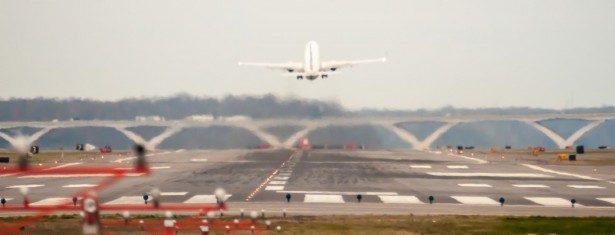
At one major airport, particularly in Guadalajara, people experienced chaos and fear as smoke from fires and nearby violence spread into surrounding areas. Passengers reportedly panicked, and many struggled to reach or leave the airport because roads were blocked and transportation systems were shut down. Flights were canceled or delayed as authorities tried to respond to the dangerous situation.
Even though there were no confirmed attacks directly inside the airport terminals, the surrounding violence had a major impact on travel and safety. Airlines canceled flights, and both local authorities and foreign governments issued warnings for people to stay indoors or avoid travel in affected regions. The disruption showed how organized crime activity can quickly affect public infrastructure like airports.
Overall, the events highlight the ongoing conflict between the Mexican government and powerful drug cartels. The airport panic was not an isolated incident but part of a broader pattern of violence and retaliation following major law enforcement actions. It demonstrates how instability in one area can quickly spread and disrupt daily life, including travel and public safety.