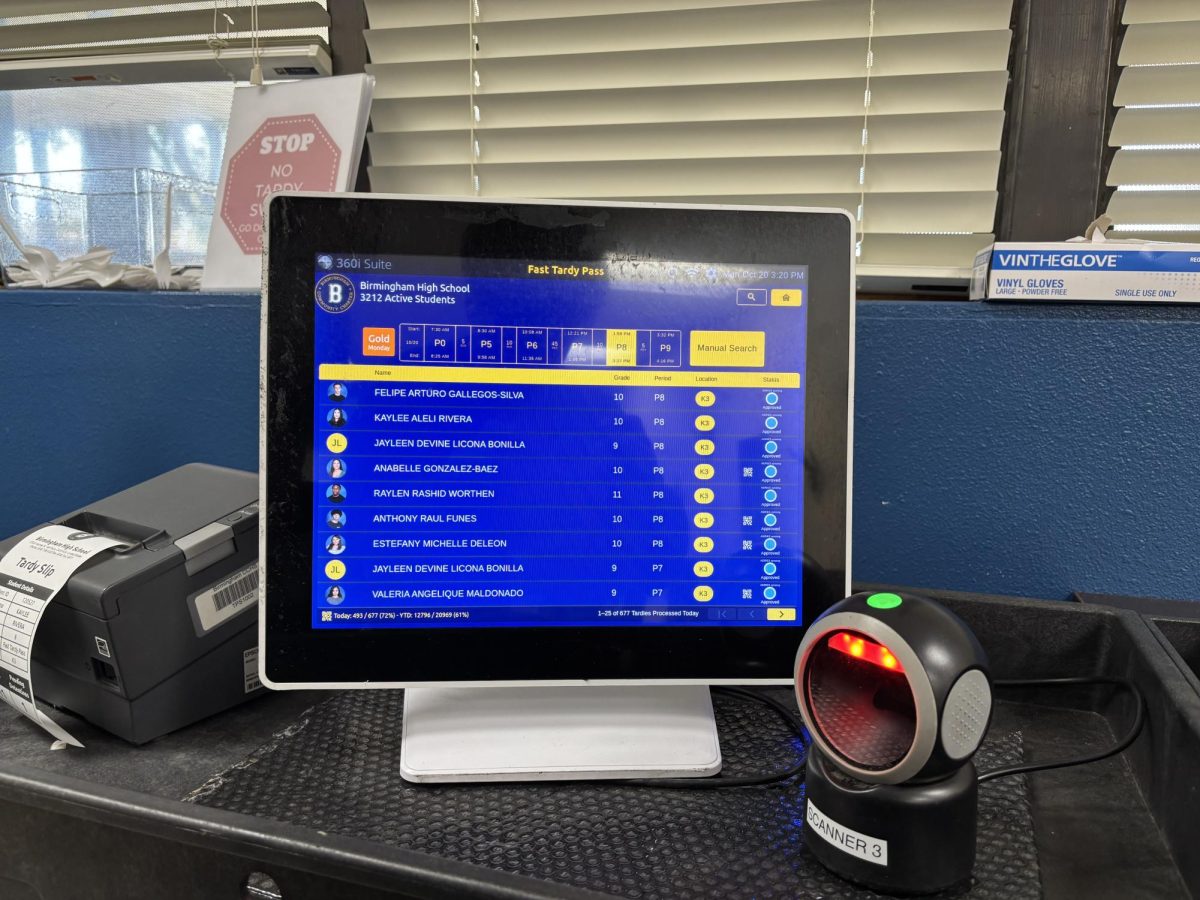

The No-Go list affects students a lot more than people or staff realize. The list can limit a student’s ability to develop independence and responsibility. It also makes students feel bad about themselves, because students can land on the list for something that is out of their control, or for something so simple as getting a loaner Chromebook and forgetting to turn it back in.
Ending up on the No-Go list can cause students to feel down about themselves. Many students will not be able to go to certain school events with their friends because of tardiness that they aren’t able to control.
High schoolers all have different maturity levels, interests, and needs, yet the N0-Go list applies the same restriction to everyone. This can discourage students who are capable of handling more responsibility, but the list prevents them from exploring activities that help them grow academically or socially.
When students start to feel unfairly punished, it can lead to disengagement from school policies and authority. I have seen how this list has affected my peers (because of tardies), but they are not able to do anything about it due to the fact that the person who brings them to school also has to take other kids to school. For them, a lot of “solutions” are out of the question.
Lastly, No-Go lists can damage the school environment by creating a sense of excessive control rather than trust. When students feel that the school focuses more on punishment rather than guidance, they may be less likely to communicate or open up to teachers and administrators. A more effective approach could be having clear expectations, more support, and helping students develop better judgment, rather than simply using a list of punishments.